
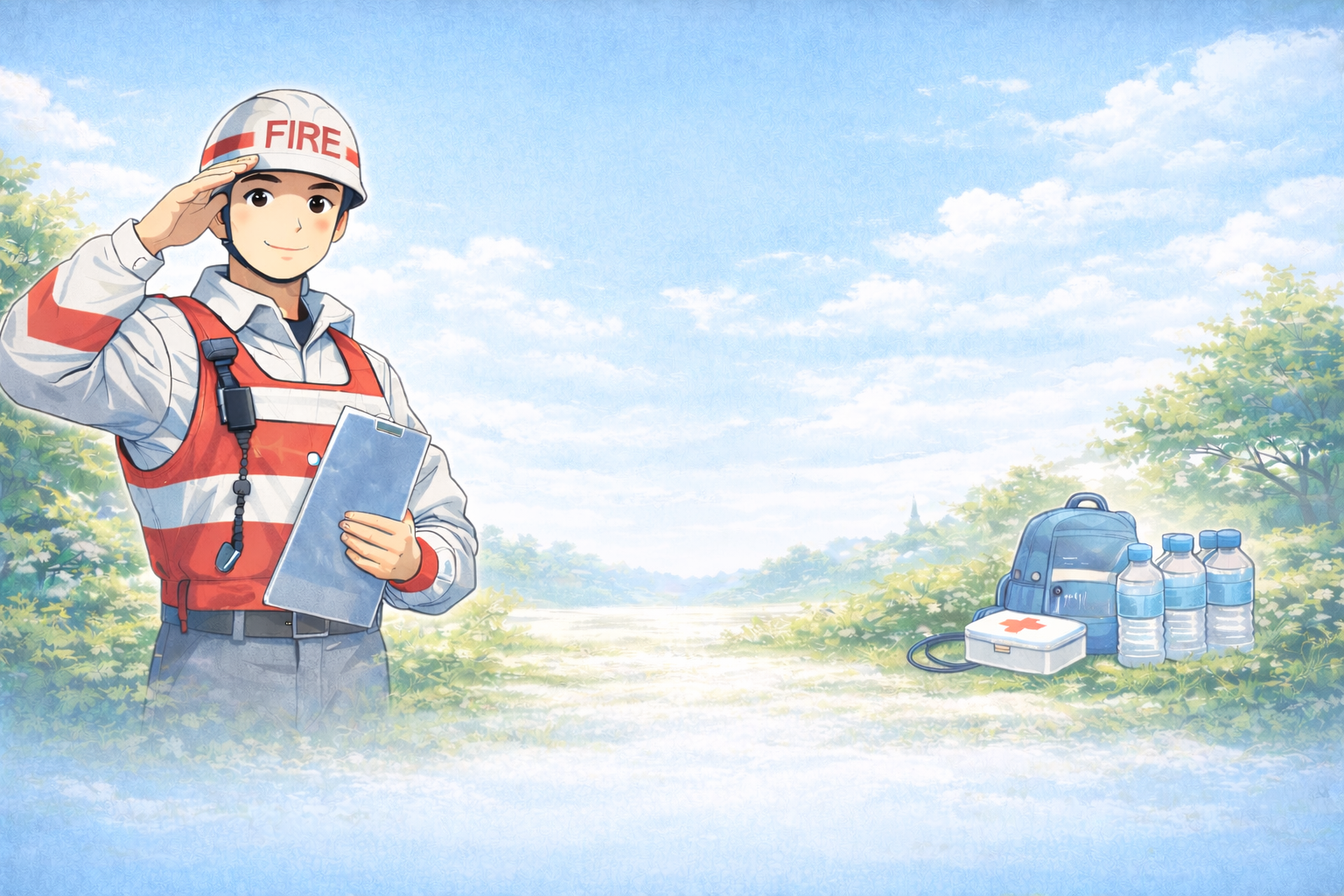
Access to clean drinking water is essential during disasters. Contaminated water can cause illness, dehydration, and complicate survival efforts. Drawing from my experience as a firefighter deployed to disaster zones, I provide practical strategies for purifying water safely and effectively.
■① Why Water Purification Matters
- Prevents waterborne illnesses and dehydration
- Supports hygiene, cooking, and medical needs
- Reduces stress and health complications during emergencies
Families with purification methods in place during deployments avoided illness and maintained hydration.
■② The Most Dangerous Assumption: “Tap Water Is Safe”
Many assume:
- Municipal water remains potable after a disaster
- Boiling or filtration is unnecessary
- Bottled water is always available
I observed preventable sickness in households that drank untreated water during crises.
■③ Boiling Water
- Boil water for at least one minute to kill pathogens
- In higher altitudes, extend boiling time to three minutes
- Use clean containers for storage
Field experience shows boiling is the most reliable method for immediate purification.
■④ Filtration Methods
- Portable water filters remove bacteria and protozoa
- Ensure filters are certified for microbial removal
- Combine with chemical treatments for extra safety
Prepared households safely consumed water even from uncertain sources.
🛡 What a former firefighter actually relied on in the field
Aim for about 1 gallon per person per day, minimum 3 days.
📦 Emergency Water Packets (72-Hour Supply) ›
As an Amazon Associate we earn from qualifying purchases.
■⑤ Chemical Purification
- Use chlorine or iodine tablets following instructions
- Consider taste-masking options if necessary
- Store chemicals safely and away from children
Chemical treatment is lightweight and effective for emergency kits.
■⑥ Water Storage Considerations
- Use clean, food-grade containers
- Rotate stored water every 6–12 months
- Keep water in cool, dark locations
Proper storage ensures water remains safe for consumption during emergencies.
■⑦ Protecting Vulnerable Individuals
- Provide adequate purified water for children, elderly, and sick family members
- Monitor intake to prevent dehydration
- Include water for pets
Supervised planning ensures all household members remain healthy.
■⑧ Lessons From Field Experience
From firefighter deployments:
- Families who treated and stored water avoided gastrointestinal illness
- Purification methods provided confidence and self-sufficiency
- Awareness and preparation prevent health complications
■Summary|Water Purification Saves Lives
Boiling, filtration, and chemical treatment ensure safe drinking water during disasters.
Conclusion:
As a former firefighter deployed to disaster zones, I can say clearly that families who purify and store water protect lives and prevent illness. Proper planning, treatment, and monitoring maintain health and hydration during emergencies.
Comments