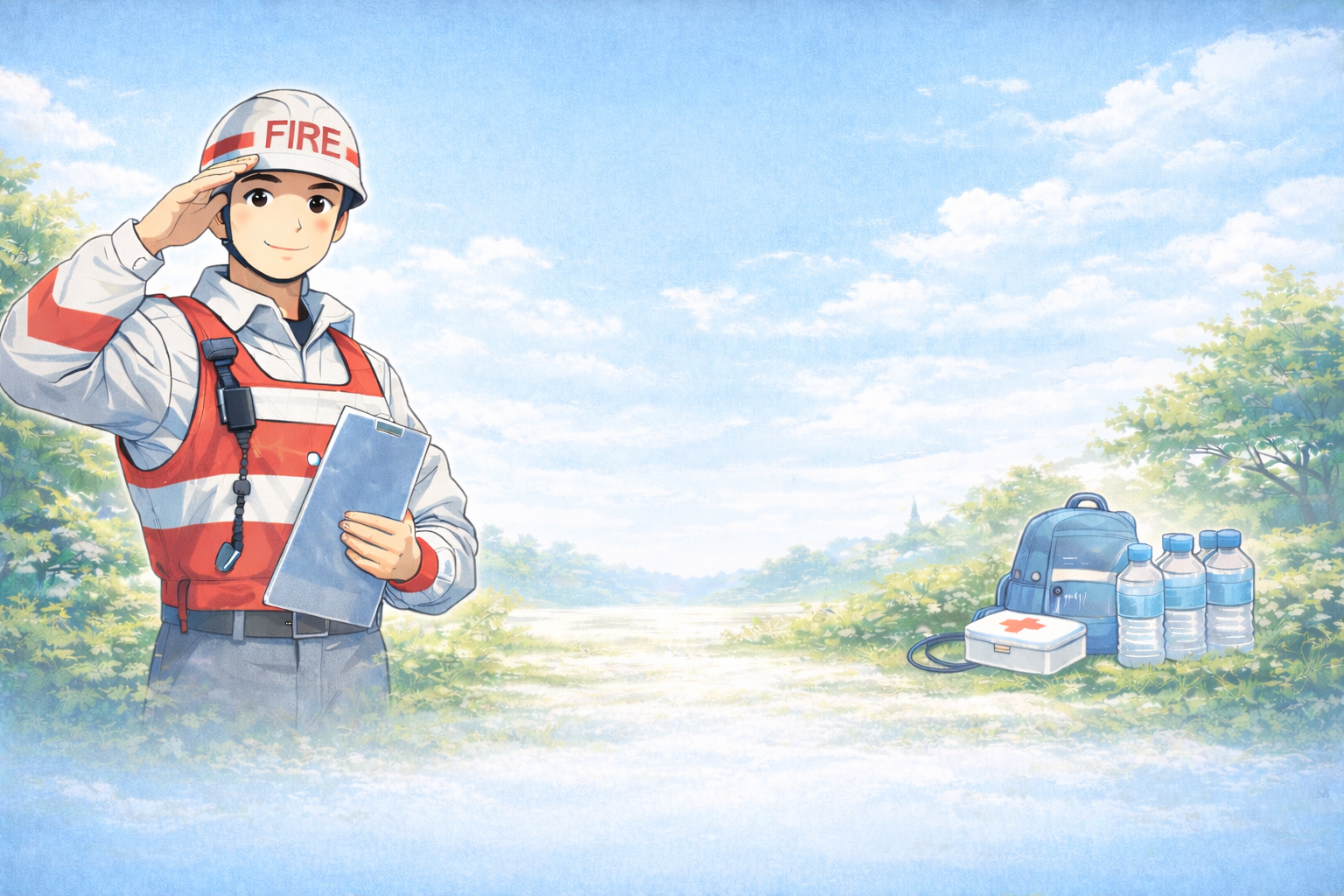
During hurricanes, false information spreads faster than wind or water. Rumors about safety, evacuation, and storm strength cause dangerous delays and reckless decisions. As a former firefighter who has seen people make fatal choices based on misinformation, I explain how false beliefs kill during hurricanes—and how to protect yourself from them.
- ■① Why Hurricanes Create Perfect Conditions for Misinformation
- ■② The Most Dangerous Myth: “Someone Online Knows Better”
- ■③ How False Reassurance Delays Evacuation
- ■④ Misinformation About Flooding and Storm Surge
- ■⑤ Generator and Power Myths That Kill
- ■⑥ Why People Share Dangerous Information
- ■⑦ How Professionals Filter Information During Hurricanes
- ■⑧ Protecting Yourself From Deadly Misinformation
- ■Summary|During Hurricanes, Bad Information Is a Hazard
■① Why Hurricanes Create Perfect Conditions for Misinformation
Chaos fuels false information:
- Fear increases emotional reactions
- Power outages limit official updates
- Social media fills information gaps
- Images spread without context
Confusion spreads faster than facts.
■② The Most Dangerous Myth: “Someone Online Knows Better”
People trust:
- Viral posts over official warnings
- Friends’ opinions over data
- Old hurricane experiences over current forecasts
Confidence does not equal accuracy.
■③ How False Reassurance Delays Evacuation
Deadly phrases include:
- “It’s not that bad here”
- “The storm weakened”
- “Authorities are overreacting”
False calm removes urgency.
■④ Misinformation About Flooding and Storm Surge
Water myths kill:
- “Surge won’t reach my area”
- “Second floors are safe”
- “Cars can handle shallow water”
Water behaves differently every storm.
🛡 What a former firefighter actually relied on in the field
Outages can last for days. A unit that runs a fridge and your phone makes decisions far easier.
📦 Portable Power Station (runs a fridge for hours) ›
As an Amazon Associate we earn from qualifying purchases.
■⑤ Generator and Power Myths That Kill
Bad advice spreads quickly:
- “Crack a window for ventilation”
- “Run generators indoors briefly”
- “It’s safe overnight”
Carbon monoxide poisoning follows misinformation.
■⑥ Why People Share Dangerous Information
Intent is not safety:
- People want to help
- Familiar advice feels comforting
- Reposting feels useful
Good intentions still cause harm.
■⑦ How Professionals Filter Information During Hurricanes
Firefighters rely on:
- Official local emergency management
- Trend and escalation, not single updates
- Worst-case tolerable decision-making
Professionals ignore noise.
■⑧ Protecting Yourself From Deadly Misinformation
Information discipline saves lives:
- Limit sources to official authorities
- Ignore unverified images and claims
- Act on warnings, not opinions
Less information often means better decisions.
■Summary|During Hurricanes, Bad Information Is a Hazard
Misinformation delays evacuation, encourages unsafe behavior, and increases fatalities during hurricanes. Information control is survival control.
Conclusion:
As a former firefighter who has seen people die from advice they trusted online, I can say clearly that misinformation is a disaster multiplier. People who follow official warnings, act early, and ignore viral reassurance survive hurricanes. In storms, information discipline saves lives.

Comments