
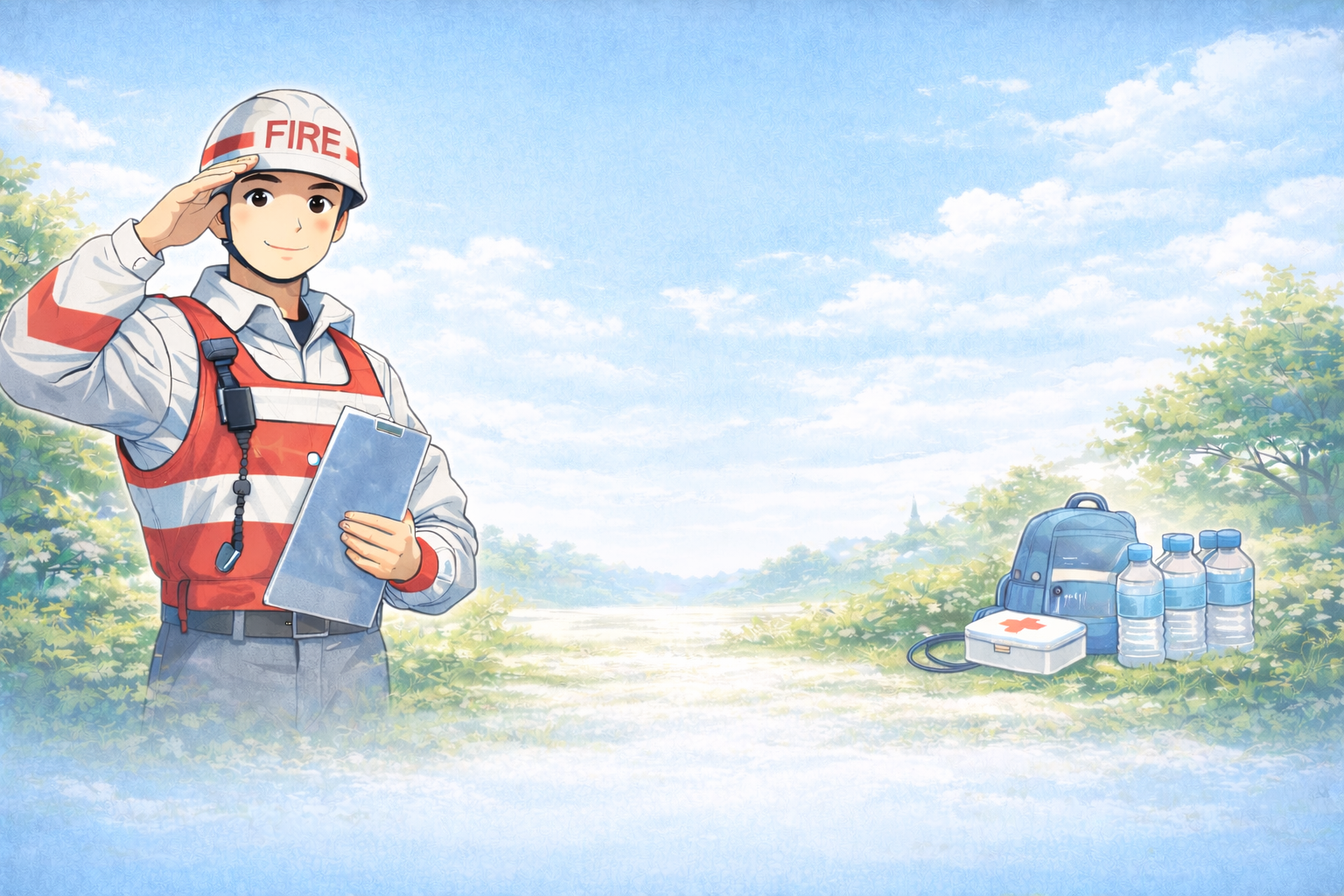
Tsunamis can strike with little warning, and rapid response is critical to survival. Drawing from my experience as a firefighter deployed to tsunami-affected areas, I provide practical strategies for recognizing danger and evacuating safely.
■① Recognizing Early Warning Signs
- Sudden strong earthquake near the coast
- Rapid retreat of seawater from the shoreline
- Unusual ocean sounds like roaring or rumbling
Families who noticed these signs in deployed areas evacuated promptly and avoided injuries.
■② The Most Dangerous Assumption: “I Have Time”
Many people assume:
- There will be enough warning to evacuate
- Staying home is safe
- Water will rise slowly
I observed fatalities caused by hesitation or delayed reaction in tsunami zones.
■③ Pre-Planned Evacuation Routes
- Identify high ground and official shelters
- Map multiple routes in case of road blockages
- Include accessible routes for children, elderly, and disabled
Prepared residents reached safety efficiently during deployments I assisted.
■④ Emergency Kit Essentials
Include:
- Water, non-perishable food, and medications
- Flashlight, batteries, and first-aid supplies
- Whistle or signaling devices
These items were critical in real evacuations to sustain families.
🛡 What a former firefighter actually relied on in the field
Most quake injuries come from falling furniture. Securing it is the top priority.
📦 Furniture Anti-Tip Anchors (10 Pack) ›
As an Amazon Associate we earn from qualifying purchases.
■⑤ Evacuation Timing
- Evacuate immediately after earthquake or warning
- Avoid waiting for confirmation from neighbors
- Do not return until authorities declare it safe
Field experience shows prompt action is the difference between life and death.
■⑥ Communication During Evacuation
- Share location and plans with family
- Use radios or pre-arranged signals if phones fail
- Inform neighbors or community contacts
Coordinated communication reduced panic and confusion in deployed areas.
■⑦ Protecting Vulnerable Individuals
- Children, elderly, and pets require special attention
- Assign responsible adults for each group
- Include essential supplies for everyone
Prepared supervision prevents accidents and separation during evacuation.
■⑧ Lessons From Field Experience
From firefighter deployments:
- Recognizing signs and acting quickly prevented casualties
- Pre-planned routes and kits improve evacuation efficiency
- Awareness and practice are essential for survival
■Summary|Immediate Action Saves Lives
Rapid recognition and evacuation prevent injuries and fatalities during tsunamis.
Conclusion:
As a former firefighter deployed to tsunami-affected regions, I can say clearly that families who recognize early signs, maintain emergency kits, and follow pre-planned evacuation routes survive safely. Hesitation can be fatal, preparation is essential.

Comments