
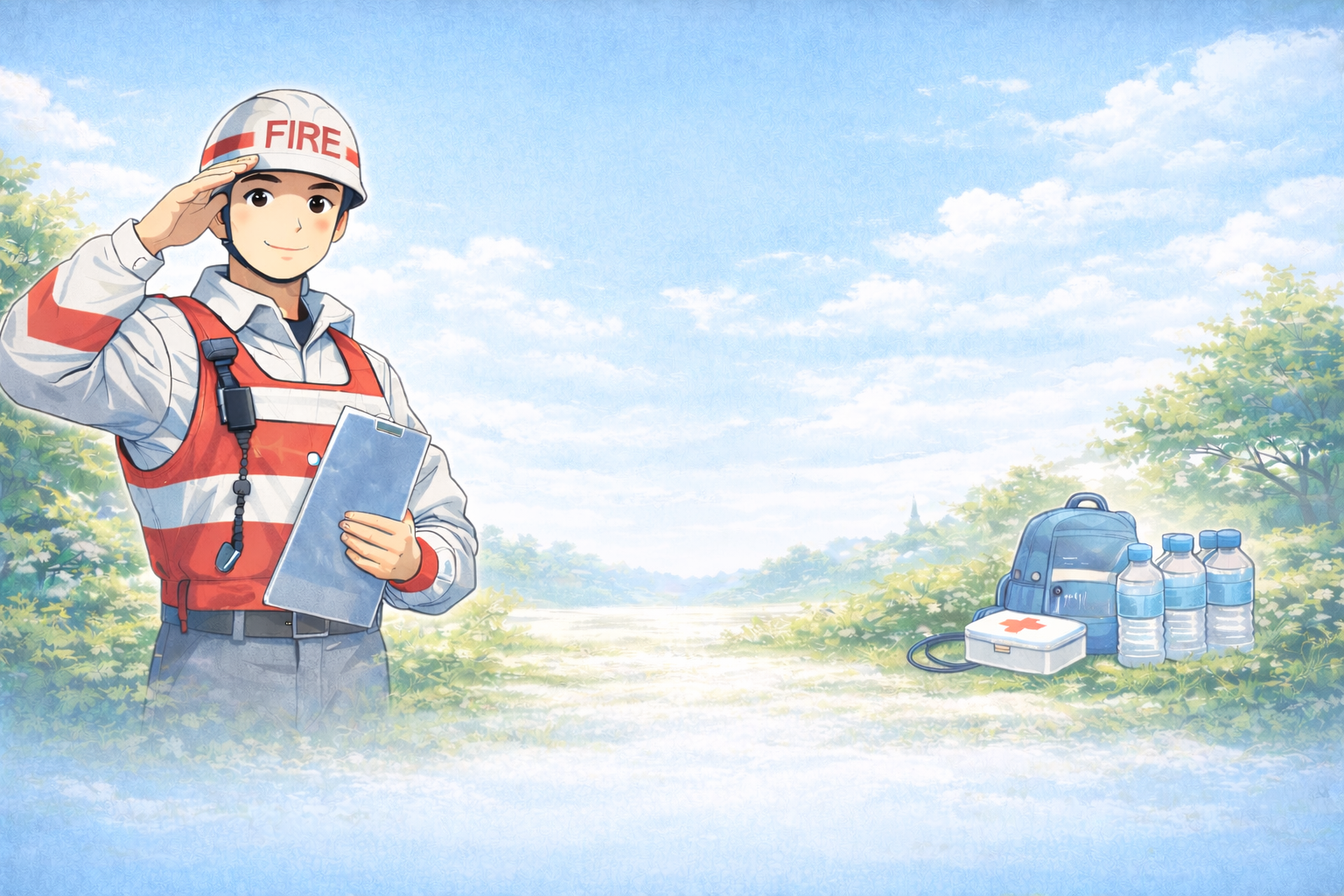
Winter power outages turn homes into cold, dark hazards within hours. Most fatalities do not come from the storm itself, but from the mistakes people make afterward—often with good intentions. As a former firefighter who has responded to winter blackout emergencies, I explain the deadly errors that repeat every year and how to avoid them.
- ■① Mistake One: Improvised Heating Indoors
- ■② Mistake Two: Underestimating Indoor Cold
- ■③ Mistake Three: Isolating Instead of Consolidating Heat
- ■④ Mistake Four: Alcohol for “Warmth”
- ■⑤ Mistake Five: Ignoring Carbon Monoxide Warnings
- ■⑥ Mistake Six: Delaying Help or Shelter
- ■⑦ Mistake Seven: Poor Battery and Light Management
- ■⑧ Mistake Eight: Forgetting About Neighbors
- ■Summary|Winter Blackout Deaths Are Usually Preventable
■① Mistake One: Improvised Heating Indoors
People try to create heat quickly:
- Using grills, camp stoves, or ovens indoors
- Blocking ventilation to “keep warmth in”
- Running generators in garages or near windows
Carbon monoxide poisoning kills silently and fast.
■② Mistake Two: Underestimating Indoor Cold
Cold is not just an outdoor threat:
- Hypothermia occurs inside unheated homes
- Elderly and children lose heat faster
- Fatigue and dehydration worsen cold stress
Cold exposure progresses quietly while people sleep.
■③ Mistake Three: Isolating Instead of Consolidating Heat
Homes lose heat unevenly:
- Heating large spaces wastes energy
- Sleeping separately increases exposure
- Open doors allow cold air circulation
Survival improves when people share one warm zone.
■④ Mistake Four: Alcohol for “Warmth”
Alcohol creates false comfort:
- It increases heat loss through skin
- It dulls awareness of hypothermia
- It increases sleep-related risk
Alcohol and cold are a lethal combination.
■⑤ Mistake Five: Ignoring Carbon Monoxide Warnings
People dismiss early signs:
- Headache, dizziness, nausea
- Assuming symptoms are “just stress”
- Removing alarms due to noise
Carbon monoxide is odorless and unforgiving.
■⑥ Mistake Six: Delaying Help or Shelter
People wait too long:
- Hoping power returns “soon”
- Refusing to leave familiar homes
- Avoiding shelters due to pride or inconvenience
Late movement is far riskier than early relocation.
■⑦ Mistake Seven: Poor Battery and Light Management
Darkness creates injuries:
- Wasting phone power early
- Using candles near flammable materials
- Failing to keep one reliable light source
Light prevents accidents and panic.
■⑧ Mistake Eight: Forgetting About Neighbors
Isolation kills:
- Elderly neighbors suffer unnoticed
- Medical needs go unmet
- Shared resources remain unused
Winter survival improves with human contact.
■Summary|Winter Blackout Deaths Are Usually Preventable
Most winter power outage fatalities come from predictable mistakes, not extreme weather. The danger lies in improvisation, denial, and isolation.
Conclusion:
As a former firefighter who has seen winter blackout deaths up close, I can say clearly that people are killed by decisions, not darkness. Those who heat safely, consolidate warmth, avoid alcohol, and seek help early survive. In winter outages, discipline saves more lives than toughness.
📚 Related articles worth reading next
- Evacuation Mistakes People Make During Floods and Hurricanes
- What Most People Get Wrong About Evacuating Too Late
- Fire Safety After Earthquakes — “Most Post-Quake Fires Start Small—But Spread Faster Than You Can Imagine”
- Nuclear Disaster Preparedness — “Invisible Threats Require Clear Actions to Protect Your Life”
- The Noto Peninsula Earthquake — “Isolation, Winter, and Collapsed Roads Turned a Disaster Into a Humanitarian Emergency”
🛡️ Recommended: Disaster Preparedness Kit
Stay prepared before disaster strikes — check availability and current pricing.
Check on Amazon.com →🛡 What a former firefighter actually relied on in the field
Outages can last for days. A unit that runs a fridge and your phone makes decisions far easier.
📦 Portable Power Station (runs a fridge for hours) ›
As an Amazon Associate we earn from qualifying purchases.
Comments