
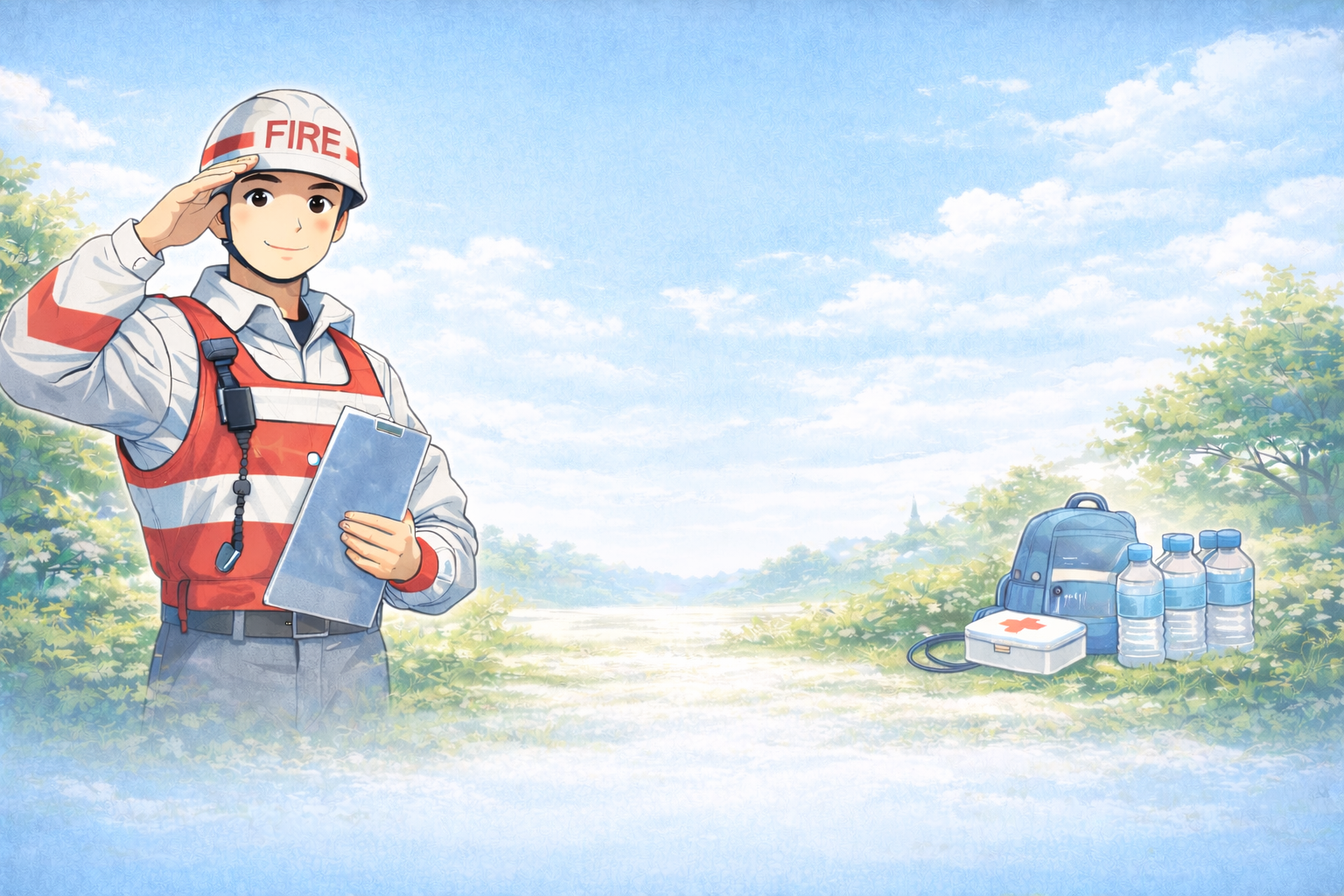
The water ran out on day two. Not drinking water — the families had planned for that. What ran out was everything else: the water to flush toilets when the sewage system went down, the water to wipe down hands before touching food, the water to rinse a child’s fever cloth. At evacuation centers after major storm events, the single most consistent complaint isn’t about food variety or sleeping space. It’s that people brought one gallon per person and then discovered that one gallon covers almost nothing once you account for sanitation, cooking, and basic hygiene. The drinking supply was fine. The rest of the picture wasn’t.
That gap — between what people think they need and what they actually need — is where most emergency water and food storage plans collapse. And it collapses quietly, because the mistake isn’t obvious until the taps stop working and the stores are closed.
- The “One Gallon a Day” Rule Is a Floor, Not a Target
- Storing Water in the Wrong Container — and Not Knowing It
- The Rotation Problem Nobody Actually Solves
- Food Storage Mistakes That Create Their Own Emergency
- Shelf Life Is Not a Guarantee — What Actually Degrades and When
- Children, Elderly, and Medical Needs: The Gap in Standard Guidance
- When the Flood Warning Fires: What to Grab and What to Leave
- The One Thing to Do Today — Under 10 Minutes
- Frequently Asked Questions
- How much emergency water should I store per person per day?
- How long can you safely store tap water for emergencies?
- What are the best containers for storing emergency water at home?
- How much emergency food should I store and what types last longest?
- Does emergency food storage require refrigeration and how do I keep it safe?
The “One Gallon a Day” Rule Is a Floor, Not a Target
FEMA recommends storing at least one gallon of water per person per day, and that figure is widely repeated. What gets lost is what FEMA says it covers: drinking and basic sanitation only. Cooking, hygiene beyond the minimum, toilet flushing (if your system doesn’t rely on municipal pressure), and pet needs are all additional. One gallon gets you through the day in a survival posture. It doesn’t get you through a week with any dignity or safety margin.
A more functional target for most households is two to three gallons per person per day when you add in realistic hygiene and cooking needs. For a family of four planning a 72-hour supply, that means not 12 gallons but closer to 24 to 36. That’s a meaningful difference in how much space and storage you need to plan for.
Start by doing a single honest calculation today: count your household members (including pets and any regular visitors), multiply by three gallons, multiply by the number of days you want to cover. Write that number on paper. Most people find it’s two to three times what they currently have stored. That number is your actual target.
- Drinking: ~1 gallon per person per day minimum
- Cooking and food prep: add 0.5–1 gallon per person
- Basic hygiene (handwashing, wound care): add 0.5–1 gallon per person
- Pets: dogs and cats typically need 1 oz per pound of body weight daily
Storing Water in the Wrong Container — and Not Knowing It
Plastic milk jugs are the most common home storage mistake. They seem logical — large, cheap, already in the house. The problem is that milk jugs are made from thin HDPE plastic designed for short-term use. The seams degrade, they’re nearly impossible to clean thoroughly enough to prevent bacterial growth, and they can leach residue over time. Within a few months of storage, water in repurposed milk jugs is often unsafe to drink without treatment.
The containers that actually work for long-term storage are food-grade HDPE or BPA-free polycarbonate containers specifically labeled for water storage. The most practical options for most homes are commercially sealed water pouches or bottles (which have defined shelf lives of three to five years), or purpose-built 5-gallon containers with screw caps and UV-resistant walls. One type of product worth keeping is a stackable, food-grade water storage tank in the 5- to 7-gallon range — they’re designed to stand pressure without warping and seal tightly enough to prevent contamination over months of storage.
Wherever you store water, the location matters as much as the container. Heat and UV light accelerate degradation of both the container and any residual treatment. A cool, dark space — interior closet, basement shelf, under a staircase — extends the safe storage period significantly. Avoid garages in hot climates and any space that regularly exceeds 70°F (21°C).
The Rotation Problem Nobody Actually Solves
Most preparedness guides tell you to rotate your water supply every six months. Almost nobody does it. Not because people are lazy — because there’s no system in place that makes rotation automatic. A date written on a jug in marker fades. A mental note disappears under daily life. Six months later, nothing has moved.
The approach that actually works is tying rotation to an existing annual event — daylight saving time changes, a seasonal holiday, a birthday that falls in spring and fall. Choose two dates per year, put them in your calendar with a recurring alarm, and label your containers with the fill date and the due-for-rotation date in permanent marker. When the alarm fires, you don’t need to remember anything. You just act.
For commercially bottled water, rotation is simpler: buy what you’d realistically drink anyway and cycle through it. The FIFO method — first in, first out — means new bottles go to the back, and you pull from the front. If you’re buying water regularly and rotating it this way, your emergency supply is always fresh without any dedicated rotation effort.
Water that has been stored properly in sealed commercial containers typically remains safe well beyond its printed date. The date on commercially bottled water is a quality marker for taste and container integrity, not a hard safety cutoff. That said, any stored water that smells off, looks cloudy, or has been stored in compromised containers should be treated before use. For a full breakdown of water treatment options including purification tablets and filtration, see 【Explained by a Former Firefighter】Emergency Water Safety and Storage.
Food Storage Mistakes That Create Their Own Emergency
After Hurricane Katrina in 2005, emergency managers documented a consistent secondary problem in affected households: families had food, but couldn’t eat it. Cans without openers. Foods requiring cooking when there was no fuel. High-sodium emergency meals consumed with too little water — which accelerated dehydration in an already water-scarce situation. The food supply wasn’t the failure. The system around it was.
The first rule of emergency food storage is that your emergency food must be edible under the exact conditions you’ll be in — not ideal conditions. That means asking: if I have no power, no running water, and no stove, what in my storage can I actually eat? If the honest answer is “not much,” the storage plan needs to change.
Practical emergency food falls into three categories:
- No-cook ready-to-eat: canned proteins (tuna, chicken, beans), peanut butter, crackers, granola bars, dried fruit. These require nothing except a can opener and a utensil. Stock these first.
- Low-cook options: instant oatmeal, ramen, instant rice, freeze-dried meals. These need only boiling water — achievable with a camp stove or even a Sterno can. A compact, propane-free camp stove designed for emergency use is worth having on a shelf near your food storage.
- Long-shelf-life staples: white rice, dried pasta, lentils, rolled oats in sealed containers. These have shelf lives of 2–5 years or longer if stored properly, but they require more water and heat to prepare. Don’t rely on them exclusively.
The sodium problem deserves specific attention. Many commercial emergency and MRE-style foods are very high in sodium. In a situation where water access is limited, high-sodium food increases thirst and can accelerate dehydration — especially in children, elderly individuals, and anyone with blood pressure or kidney issues. Read the labels before you buy in bulk, and balance high-sodium items with lower-sodium options.
Shelf Life Is Not a Guarantee — What Actually Degrades and When
The “best by” date on food is a quality indicator, not a safety cliff. Canned goods with intact seals and no swelling, rust, or damage are generally safe to eat well past their printed dates — sometimes by years. What degrades is nutritional density and taste, not necessarily safety. The exception is home-canned food, which follows entirely different rules and should not be relied on for emergency storage without proper pressure-canning knowledge and equipment.
The foods that do go bad faster than most people expect in storage:
- Whole grains and whole-grain flours — the oils in the germ go rancid, typically within 6–12 months even sealed
- Brown rice — higher oil content than white rice; goes rancid within 6 months in warm conditions
- Cooking oils — degrade in heat and light; store in cool, dark conditions and rotate annually
- Powdered milk — significantly shorter shelf life once opened; use within a few months
- Crackers and chips — fine for short-term (3–6 months) but lose crunch and go stale quickly; don’t treat them as long-term staples
The foods with reliably long shelf lives when properly sealed: white rice, dried beans and lentils, white sugar, salt, honey (indefinite if moisture-free), hard liquor (for trade/morale, not emergency use), commercially freeze-dried meals, and pure vitamin C tablets. Build your long-term base from these, and supplement with rotating short-term items.
Children, Elderly, and Medical Needs: The Gap in Standard Guidance
Standard emergency food and water guidance is calibrated for a healthy adult. It doesn’t account for the real population inside most households — and that gap becomes critical during extended disruptions.
Infants on formula need clean water at specific temperatures. Storing premixed formula (rather than powdered) removes the water dependency but increases weight and cost; a hybrid approach — premixed for the first 72 hours, powdered for extended needs — is a reasonable compromise. For families with infants, water purification capacity is not optional.
Elderly individuals, particularly those on diuretics or with kidney conditions, have very different hydration needs and may struggle with high-sodium emergency foods. A thermal mug, insulated blanket, and access to easily digestible foods (instant oatmeal, applesauce, broth) matter more than calorie density alone. If there are elderly family members in your household, 【Explained by a Former Firefighter】Disaster Preparedness for Elderly Living Alone addresses the specific gaps that standard guidance misses.
Prescription medications that require refrigeration — insulin is the most common — need a separate contingency plan entirely. A portable, insulated medication case and a documented contact at a local pharmacy or community health center should be part of any household plan that includes insulin-dependent members.
When the Flood Warning Fires: What to Grab and What to Leave
NOAA’s National Weather Service issues tiered flood warnings — watches, warnings, and emergencies — with different lead times. A flood watch means conditions are favorable for flooding; a flood warning means flooding is imminent or occurring; a flash flood emergency is the highest tier and means act immediately. (NOAA, Flood Watch/Warning Definitions)
In a flood warning or higher, the decision rule is simple: if local authorities have issued an evacuation order, leave. Shelter-in-place makes sense for many disasters; it rarely makes sense for flooding, where the hazard is the structure itself becoming dangerous. The exception is a multi-story home where you can move vertically above projected flood levels — but that requires knowing your local flood maps in advance, not during the event.
If you have 15 minutes and a go-bag isn’t packed, the priority order for emergency supplies is: water (grab commercially sealed bottles, not your bulk storage), medications, documents (IDs, insurance), phone and charger, cash, and one change of clothes per person. Bulk food storage is largely non-portable. That’s why the first line of your plan needs to be the go-bag with three days of food and water, not the home stockpile. During rainy season and hurricane season in particular, that go-bag should be staged near your exit — not buried in a closet.
For power outages that accompany storms — which affect food safety as much as supply — the USGS maintains guidance on waterborne illness risks after flooding events, which increase significantly when municipal water treatment is compromised. (USGS, Water Safety During Floods) Treat all tap water as suspect after a flood event until your local utility issues an all-clear — boiling, filtration, or purification tablets are all valid options depending on what you have available.
The One Thing to Do Today — Under 10 Minutes
Open your kitchen cabinets right now and find the oldest item in your emergency food supply. Check the date. If you don’t have a dedicated emergency supply, find the item with the most shelf life that you already own — a can of beans, a bag of rice, a jar of peanut butter. Set a phone reminder six months from today labeled “rotate emergency food.” That’s it. That’s the starting point.
Then do the water calculation: household members × 3 gallons × 3 days. Write the number down. Compare it to what you have. The gap between those two numbers is the only thing that actually needs to change. Everything else in emergency preparedness is built on that foundation — and it takes less time to calculate than it does to read this article.
For comprehensive, official guidance on emergency food and water quantities, container standards, and storage conditions, refer directly to FEMA’s Ready.gov Food and Water page.
Frequently Asked Questions
How much emergency water should I store per person per day?
FEMA and the Red Cross recommend a minimum of one gallon per person per day, but this covers only basic drinking and minimal sanitation. Most emergency management experts suggest storing two to three gallons per person per day when you factor in cooking, hygiene, and basic sanitation needs like handwashing. Families with infants, pets, or medical conditions should plan on the higher end of that range.
How long can you safely store tap water for emergencies?
Tap water stored in clean, food-grade containers can be safely kept for up to six months before it should be rotated and replaced. Store containers in a cool, dark location away from direct sunlight and chemicals, as heat and light accelerate bacterial growth and container degradation. Label each container with the fill date so rotation stays on schedule.
What are the best containers for storing emergency water at home?
Food-grade plastic containers rated HDPE (marked with a #2 recycling symbol), stainless steel, or commercially sealed water barrels are the safest options for long-term water storage. Avoid using milk jugs or thin plastic bottles, as they degrade quickly and are difficult to sanitize completely. Purpose-built 55-gallon water barrels or stackable 5-gallon containers offer the best balance of capacity and practicality for most households.
How much emergency food should I store and what types last longest?
Emergency management agencies recommend storing at least a 72-hour supply of food per person, though a two-week supply is the more practical and widely advised target. Foods with the longest shelf lives include white rice (up to 30 years sealed), dried beans (25+ years), canned goods (2–5 years), and commercially freeze-dried meals (up to 25 years). Prioritize foods your household already eats to reduce waste and avoid digestive stress during an already stressful situation.
Does emergency food storage require refrigeration and how do I keep it safe?
Most recommended emergency foods — canned goods, dried grains, freeze-dried meals, and sealed dry goods — require no refrigeration and are specifically chosen because they are shelf-stable. Store food in a cool, dry location ideally between 50°F and 70°F (10°C–21°C), as temperatures above 85°F significantly shorten shelf life. Keep food off the floor, away from walls, and in pest-resistant containers to prevent contamination and spoilage.
LifeStraw Personal Water Filter
A compact water filter is helpful when evacuation routes or shelters have limited clean-water access. It should supplement, not replace, stored drinking water and official boil-water guidance.
Before buying, compare local availability, shipping, household size, and official guidance.
As an Amazon Associate I earn from qualifying purchases.
🛡 What a former firefighter actually relied on in the field
During outages, food that needs no cooking matters most.
📦 72-Hour Emergency Food Supply (4 Person) ›
As an Amazon Associate we earn from qualifying purchases.
Comments