
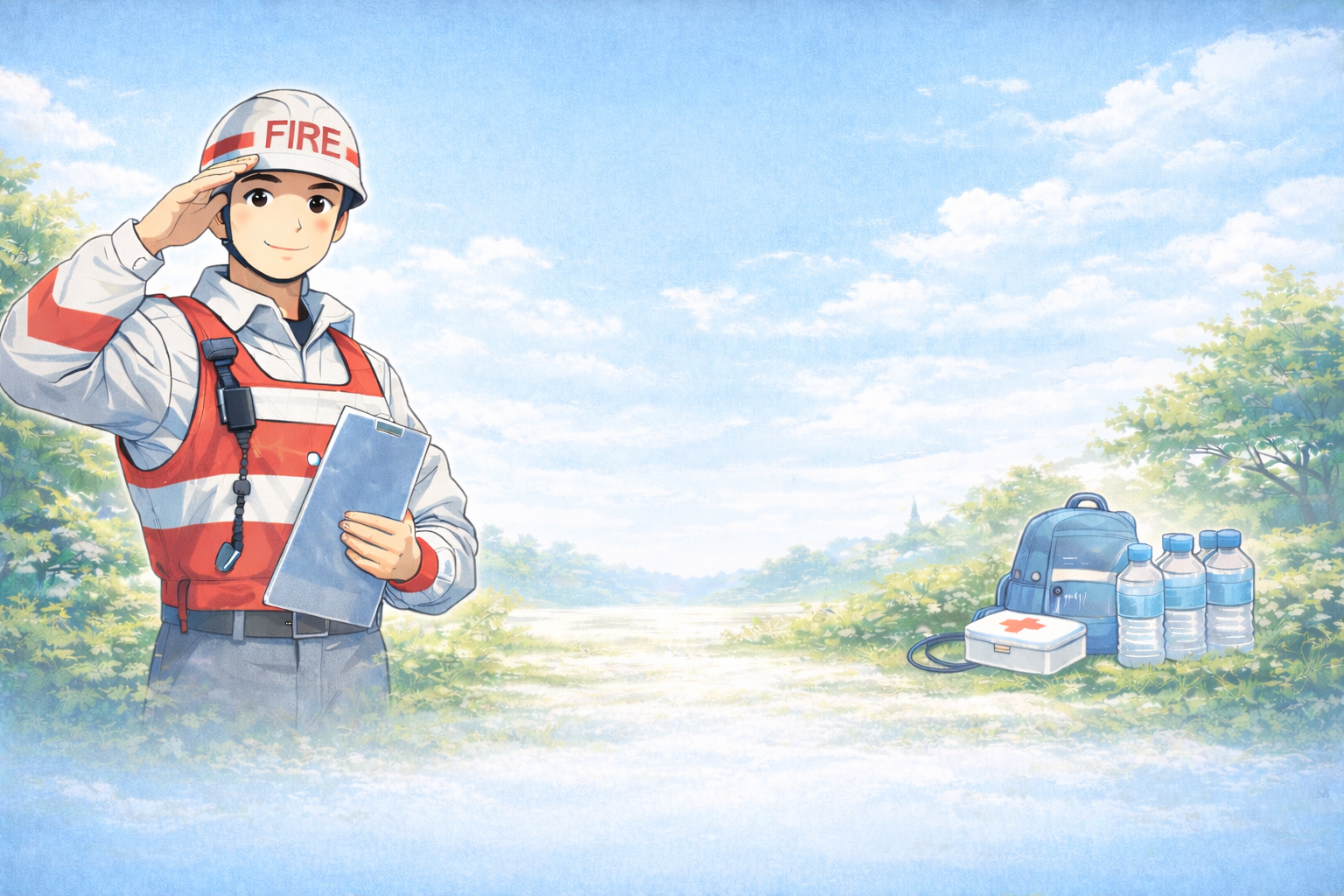
During disasters, knowing basic survival skills can save lives. This includes finding shelter, securing water and food, maintaining warmth, and protecting yourself from hazards. Drawing from my experience as a firefighter deployed to disaster zones, I provide essential survival strategies for families and individuals.
■① Why Survival Basics Matter
- Ensures safety until help or services arrive
- Reduces panic and improves decision-making
- Increases chances of survival for the whole family
During deployments, families with basic survival knowledge adapted quickly and avoided injuries.
■② The Most Dangerous Assumption: “We’ll Figure It Out”
Many assume:
- They can improvise without preparation
- Natural resources and services will always be available
- Basic survival skills are unnecessary
I observed preventable hardship and injuries when families lacked foundational skills.
■③ Shelter and Safety
- Identify safe locations indoors and outdoors
- Build temporary shelters if necessary
- Avoid unstable structures and hazard zones
Proper shelter selection prevents injuries and exposure to elements.
■④ Water and Food Security
- Store at least 3 liters of water per person per day for 72 hours
- Stock non-perishable food and medications
- Learn basic water purification and food safety methods
Prepared families stayed hydrated and nourished during emergencies.
🛡 What a former firefighter actually relied on in the field
During outages, food that needs no cooking matters most.
📦 72-Hour Emergency Food Supply (4 Person) ›
As an Amazon Associate we earn from qualifying purchases.
■⑤ Fire and Warmth
- Use safe heat sources for warmth or cooking
- Keep fire extinguishing tools nearby
- Follow fire safety protocols
Field experience shows controlled heat sources reduce injury and fire risk.
■⑥ First Aid and Health
- Maintain a first aid kit and know basic procedures
- Monitor health conditions for children, elderly, and disabled members
- Keep hygiene and sanitation supplies available
Prepared families prevented infections and managed minor injuries effectively.
■⑦ Communication and Navigation
- Establish family check-ins and meeting points
- Keep maps, compasses, and communication devices accessible
- Maintain awareness of hazards and official updates
Clear navigation and communication improve coordination and safety.
■⑧ Lessons From Field Experience
From firefighter deployments:
- Families with survival knowledge managed emergencies more safely
- Proper supplies and awareness prevented injuries and illness
- Preparation, calm decision-making, and skill save lives
■Summary|Survival Basics Save Lives
Knowing how to shelter, secure food and water, maintain warmth, and communicate ensures survival during disasters.
Conclusion:
As a former firefighter deployed to disaster zones, I can say clearly that families and individuals who understand and practice basic survival skills protect lives and increase resilience. Preparation and knowledge are essential for survival.
Comments