
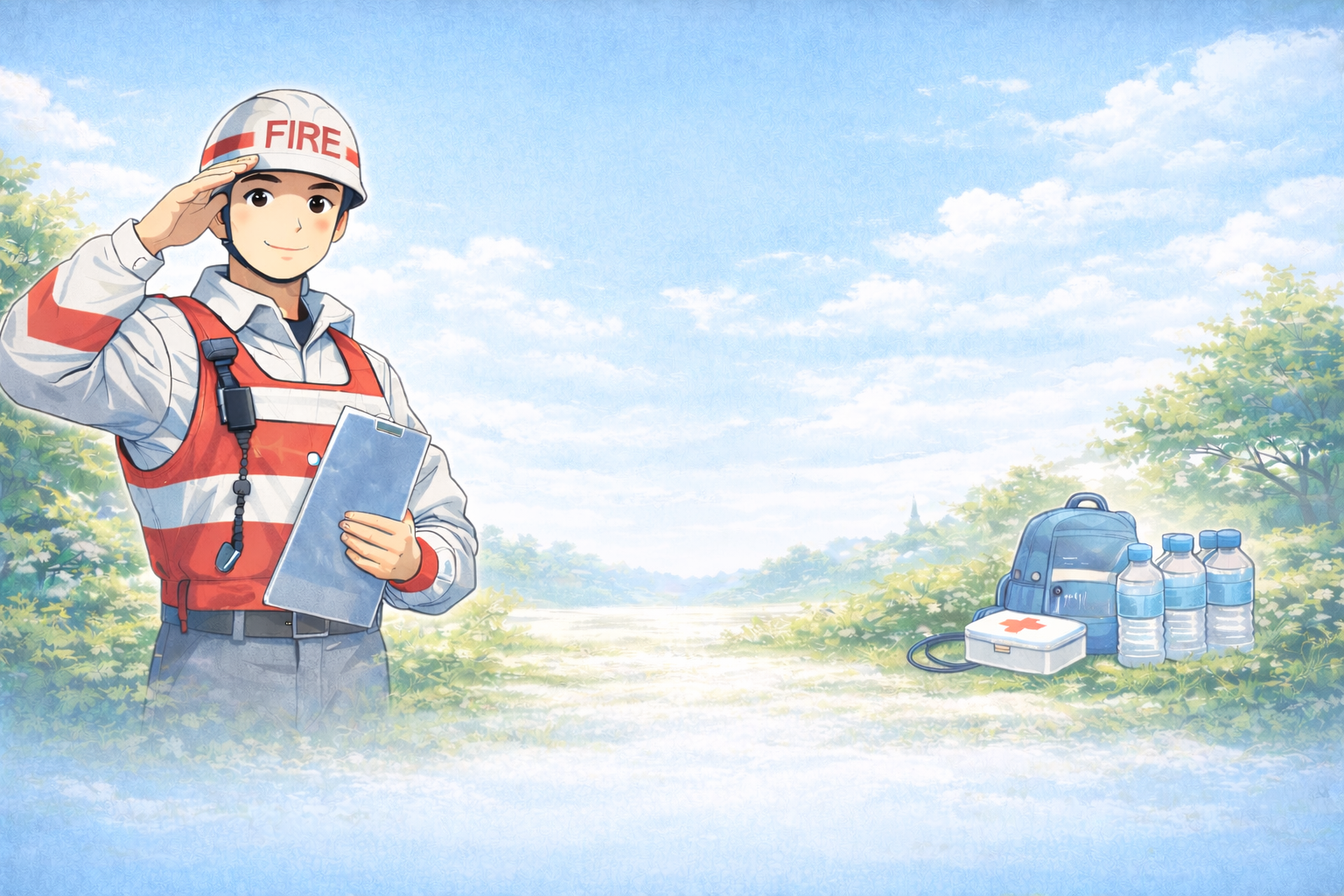
A 72-hour survival kit is a critical component of disaster preparedness, designed to sustain individuals and families during the first three days after a major emergency. Drawing from my experience as a firefighter deployed to disaster zones, I explain how to assemble and use a kit that can truly save lives.
■① Why a 72-Hour Kit Is Critical
- Ensures immediate access to essential food, water, and medical supplies
- Provides security and self-sufficiency during the crucial first 72 hours
- Reduces panic and enhances decision-making
Families with ready kits in deployed areas survived more safely and effectively.
■② The Most Dangerous Assumption: “We Can Last Without a Kit”
People often assume:
- Water and food will remain available
- Emergency services will respond immediately
- Basic household items are enough
I witnessed preventable injuries and stress in households without a prepared kit.
■③ Water and Hydration
- At least 1 gallon of water per person per day for three days
- Portable water filters or purification tablets
- Collapsible containers for easy transport
Prepared families avoided dehydration even during extended outages.
■④ Food and Nutrition
- Non-perishable, ready-to-eat foods
- High-calorie energy bars or dried fruits
- Manual can opener if needed
Field experience shows proper nutrition prevents weakness and sustains survival.
🛡 What a former firefighter actually relied on in the field
During outages, food that needs no cooking matters most.
📦 72-Hour Emergency Food Supply (4 Person) ›
As an Amazon Associate we earn from qualifying purchases.
■⑤ Medical and First Aid
- First aid kit with bandages, antiseptics, and medications
- Prescription medications with clear instructions
- Tools for minor injuries and emergencies
Preparedness reduces complications from minor injuries and chronic conditions.
■⑥ Tools and Essentials
- Flashlights, batteries, and a hand-crank radio
- Multi-purpose knife, duct tape, and basic tools
- Emergency blankets and protective clothing
These items proved critical during disaster deployments I participated in.
■⑦ Personal and Communication Items
- Identification documents and emergency contacts
- Notepad, pen, and maps
- Whistles or signaling devices
Proper documentation and communication facilitate coordination and rescue.
■⑧ Lessons From Field Experience
From firefighter deployments:
- Families with 72-hour kits were calmer and more self-sufficient
- Kits allowed immediate action without relying on outside aid
- Preparation and practice significantly improved survival outcomes
■Summary|A 72-Hour Kit Is a Lifeline
Having a ready kit ensures survival, safety, and calm decision-making in the critical initial hours after a disaster.
Conclusion:
As a former firefighter deployed to disaster zones, I can say clearly that a well-prepared 72-hour survival kit saves lives. Families who assemble, maintain, and know how to use their kits remain safe and effective during emergencies.

Comments