
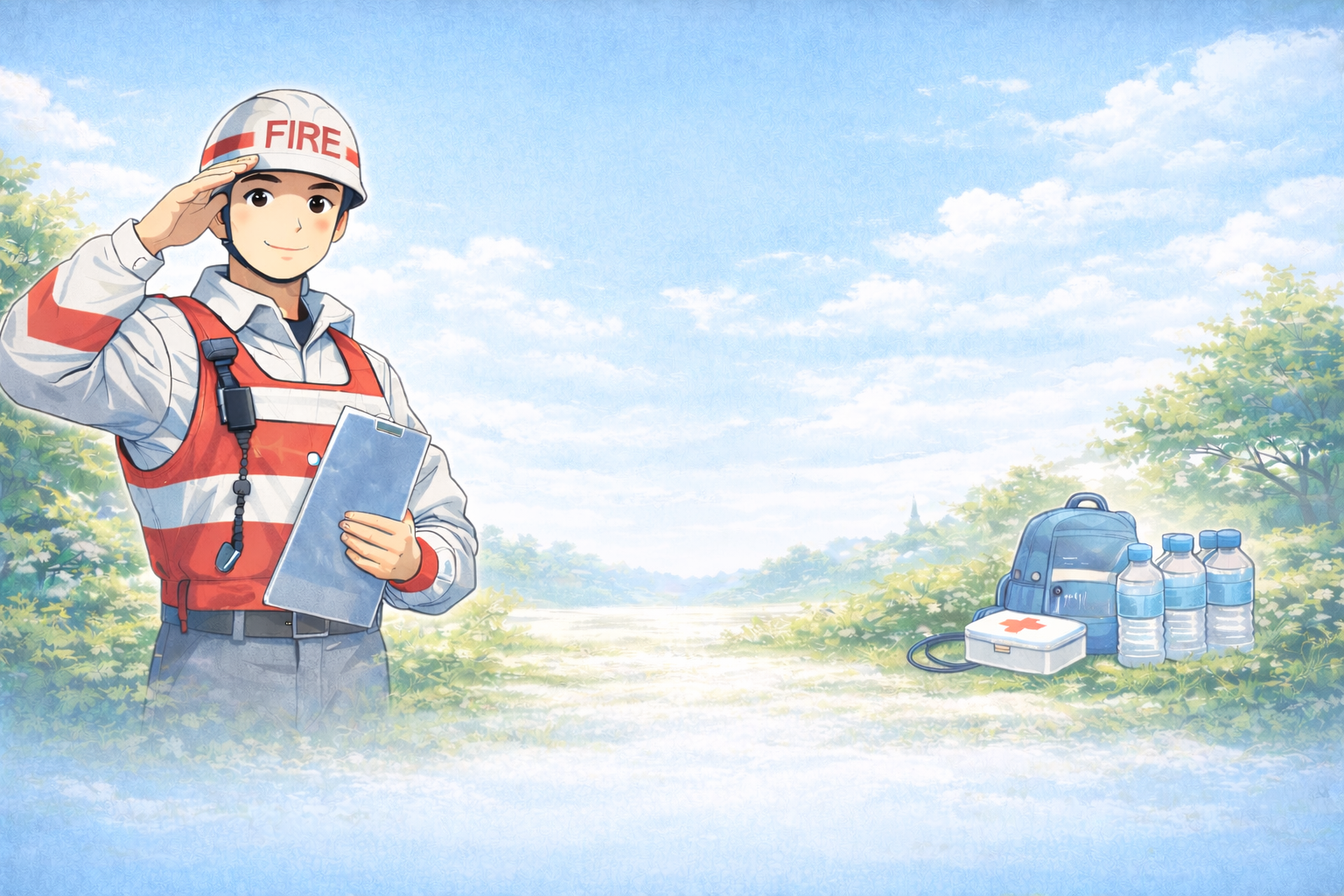
Tornadoes can develop quickly and strike with devastating force. Proper preparation, awareness, and immediate action are essential to protect lives. Drawing from my experience as a firefighter deployed to tornado-affected regions, I provide strategies to increase safety for families and communities.
■① Understanding Tornado Risks
- Know your region’s tornado history and risk levels
- Recognize early warning signs such as rotating clouds or sudden wind shifts
- Identify potential hazards in and around your home
During deployments, families aware of tornado risks responded faster and avoided injuries.
■② The Most Dangerous Assumption: “We’ll See It Coming”
People often assume:
- Tornadoes give ample warning
- Standard rooms or basements are automatically safe
- Evacuation can be delayed
I witnessed preventable injuries when families underestimated tornado speed and intensity.
■③ Preparing a Safe Space
- Designate a basement or interior room without windows
- Reinforce walls if possible
- Keep emergency supplies within the safe area
Prepared shelters drastically reduced injuries during tornadoes I assisted with.
■④ Emergency Kit Essentials
Include:
- Water, non-perishable food, and medications
- Flashlight, batteries, and first aid kit
- Helmets or sturdy protective gear
These items kept families safe when sheltering during tornado events.
🛡 What a former firefighter actually relied on in the field
A pre-assembled kit is the realistic first step. Buying items one by one leaves you unprepared.
📦 72-Hour Emergency Survival Kit / Go-Bag ›
As an Amazon Associate we earn from qualifying purchases.
■⑤ Evacuation Planning
- Identify multiple evacuation routes if sheltering isn’t possible
- Plan for pets and family members with special needs
- Coordinate with neighbors for assistance
Pre-planned routes and roles reduced confusion and delays during real tornado emergencies.
■⑥ Communication During Tornadoes
- Monitor weather alerts via radio or mobile devices
- Establish signals for family members if separated
- Follow local authority instructions carefully
Clear communication prevents panic and ensures coordinated action.
■⑦ Protecting Vulnerable Individuals
- Children, elderly, and disabled family members require supervision
- Assign responsible adults for each group
- Include essentials and comfort items in the safe space
Vulnerable populations benefit most from early preparation and attentive supervision.
■⑧ Lessons From Field Experience
From firefighter deployments:
- Families with safe, pre-identified shelters survived with fewer injuries
- Early preparation and practiced drills reduced panic
- Awareness of risk and swift action saved lives
■Summary|Prepared Shelters Save Lives
Designating and equipping a safe space prevents injuries and fatalities during tornadoes.
Conclusion:
As a former firefighter deployed to tornado zones, I can say clearly that preparing safe shelters, maintaining emergency supplies, and practicing evacuation reduces risk. Families who plan ahead survive tornadoes with greater safety and confidence.

Comments