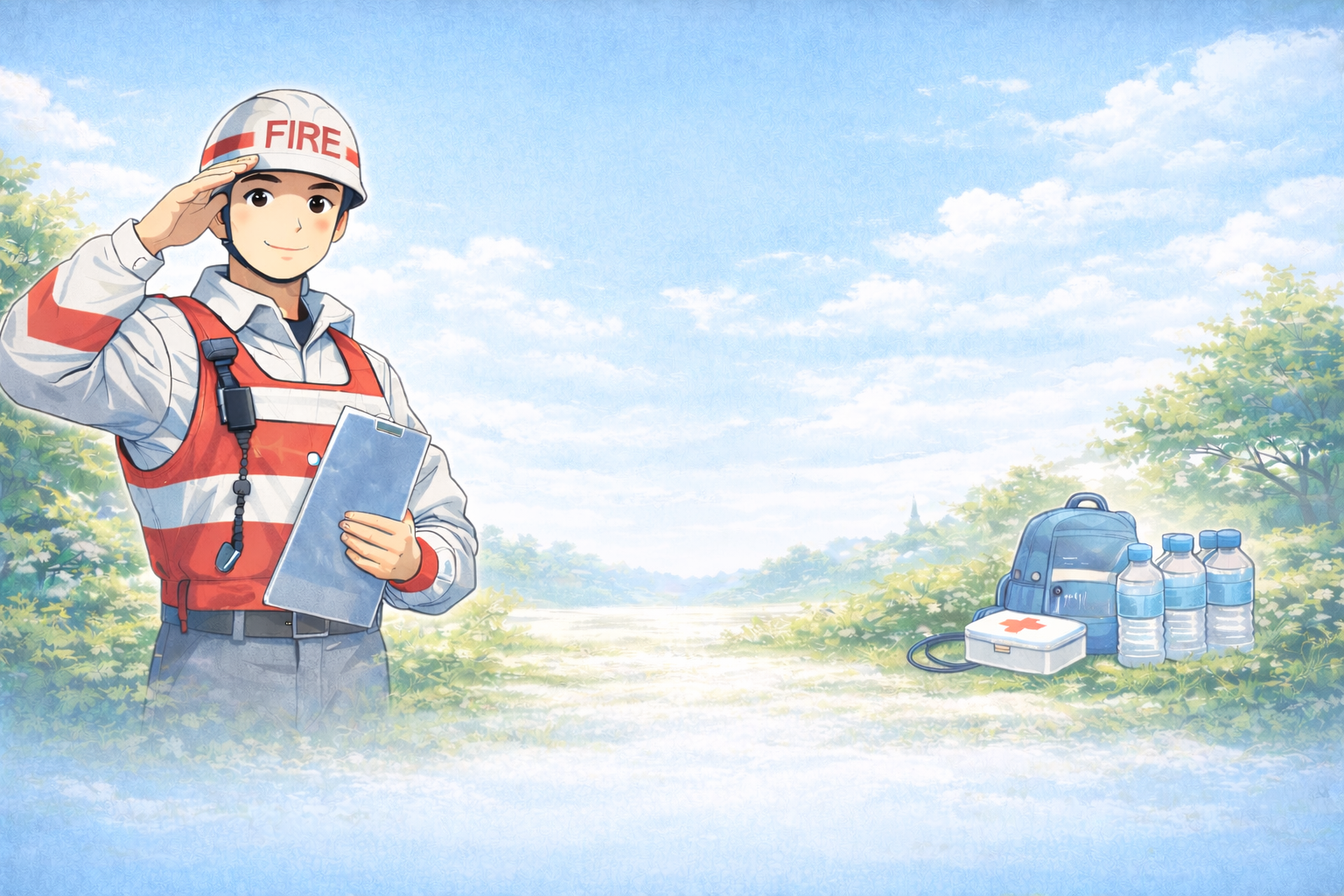
Disasters affect children differently than adults. Noise, darkness, separation, and sudden change overwhelm them quickly, and panicked children increase risk for the entire family. As a former firefighter who has seen families struggle in real disaster environments, I explain how realistic preparation for children is not about fear—but about stability, simplicity, and trust.
- ■① Why Children Change the Rules of Disaster Preparedness
- ■② The Most Common Mistake Parents Make
- ■③ Preparation That Actually Reduces Fear
- ■④ Evacuation and Movement With Children
- ■⑤ Emergency Kits That Work for Kids
- ■⑥ Communication and Separation Planning
- ■⑦ Teaching Children What to Do (Without Fear)
- ■⑧ The Role of Parents During Disaster
- ■Summary|Family Disaster Safety Depends on Emotional Control
■① Why Children Change the Rules of Disaster Preparedness
Children are not small adults:
- They process danger emotionally, not logically
- They depend entirely on adult decisions
- They fatigue, dehydrate, and panic faster
- They may freeze or run unpredictably
Plans that ignore this fail immediately.
■② The Most Common Mistake Parents Make
Parents focus on supplies only:
- Buying gear instead of building routines
- Explaining too much, too late
- Assuming children will “follow instructions”
Behavior, not equipment, determines safety.
■③ Preparation That Actually Reduces Fear
Children need predictability:
- Simple explanations using familiar words
- Repeated reassurance, not warnings
- Clear roles like “hold hands” or “stay close”
Calm adults create calm children.
■④ Evacuation and Movement With Children
Movement must be simplified:
- Decide evacuation triggers in advance
- Avoid last-minute decisions
- Use child-friendly routes and timing
- Accept slower movement as normal
Late evacuation is especially dangerous with children.
■⑤ Emergency Kits That Work for Kids
Children’s needs are specific:
- Familiar food and drinks
- Comfort items that reduce stress
- Weather-appropriate clothing
- Basic hygiene items
Comfort prevents panic.
■⑥ Communication and Separation Planning
Separation happens unexpectedly:
- Children may be at school or activities
- Parents may be delayed or injured
- Phones may not work
Children must know one simple rule for reunification.
■⑦ Teaching Children What to Do (Without Fear)
Training should be gentle:
- Practice actions, not scenarios
- Use repetition instead of lectures
- Praise calm behavior
Confidence grows through familiarity.
■⑧ The Role of Parents During Disaster
Parents set the emotional tone:
- Children mirror adult reactions
- Calm behavior stabilizes everyone
- Honest reassurance builds trust
Your behavior is the plan.
■Summary|Family Disaster Safety Depends on Emotional Control
Prepared families are not the most equipped, but the most calm and predictable. Children do not need perfect plans—they need stable adults.
Conclusion:
As a former firefighter who has seen children thrive or collapse based on adult behavior, I can say clearly that disaster preparedness for families is not about gear—it is about trust. Families who prepare calmly, move early, and prioritize emotional stability protect their children far better than any equipment ever could.

Comments